Cybersecurity
Speaking
The technical side of security is solvable. The human side is where most organizations actually struggle.
Overview
Most cybersecurity conversations focus on tools, frameworks, and compliance checklists. Eric Near's sessions focus on the part that doesn't show up in a vendor's product brochure: the people. How organizations build security cultures that actually hold. How leadership communicates about risk without creating fear or apathy. And why the same technical controls succeed in one organization and fail in another, even when the policies are identical.
I've sat in a lot of security awareness trainings that treated employees like a threat to be managed. Every metric told you how many people clicked the phishing link. None of them told you whether people felt safe reporting when they made a mistake. Culture isn't a compliance checkbox. It's the thing that determines whether your controls actually work.
Human Side of Cybersecurity
Sessions on why people make the decisions they do, how security programs can be designed around human behavior rather than against it, and what it actually takes to build a security culture that outlasts any awareness campaign.
Security Culture & Leadership
Talks for executive and leadership audiences on how to communicate about cybersecurity risk, how to build organizational accountability without blame, and how the tone at the top shapes security behavior at every level of the organization.
Data Security
Practical sessions on how organizations handle, protect, and govern sensitive data, covering the gap between policy and practice, the real cost of data exposure, and how to talk about data security in terms that resonate with both technical and non-technical audiences.
Security that people can't or won't follow isn't security. It's documentation.
Speaker Profile
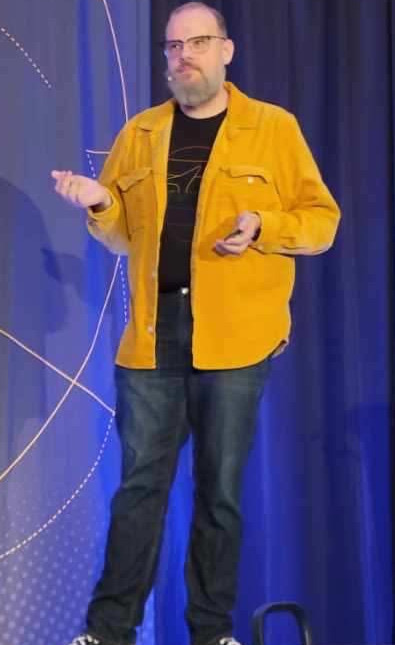
Eric's full speaker profile, including session topics and booking information for event organizers, is available on Sessionize.
Formats
- Keynote: Full-length opening or closing keynote for conferences and association events
- Conference Session: Breakout or main-stage session tailored to your event's theme and audience
- Panel: Moderated panel participant or panel moderator on cybersecurity culture, risk, and leadership topics
- Workshop: Interactive working session for leadership teams or conference attendees (see Disruptive Empathy for Leadership Teams for the dedicated workshop format)
- Corporate Event: Internal sessions for executive teams, boards, or organization-wide security culture initiatives
Typical Audiences
- Industry conferences in technology, healthcare, finance, and professional services
- Local and regional association meetings (ISACA, ISSA, SHRM chapters, industry trade groups)
- Executive and leadership teams that need to understand cybersecurity in human and business terms
- Security and IT professionals looking for a different frame on the culture and behavior side of their work
- Organizations that have checked the compliance boxes and are trying to understand why security still isn't sticking
Common Questions
What topics does Eric speak on?
Eric speaks on two primary topic areas: the human side of cybersecurity (security culture, behavior, and why people make the decisions they do) and data security (governance, protection, and the gap between policy and practice). Both areas are approached from the perspective of someone who has worked inside organizations on real programs. Not from a vendor stage or a purely academic frame. Sessions can be tailored to a technical audience, a leadership audience, or a mixed-room conference setting.
Can sessions be customized for our event or audience?
Yes. Every engagement starts with a conversation about your event, your audience, and what you want them to walk away with. Topic framing, examples, and emphasis are adjusted based on whether the audience is technical, executive, or mixed, and whether the event is industry-specific (healthcare, finance, manufacturing, etc.). The core ideas remain consistent; the delivery is built for the room.
How do we book Eric for an event?
Use the contact form or book a discovery call below. Include your event date, format, expected audience size, and any specific themes your program is organized around. We'll confirm availability and talk through fit before anything is formalized.